

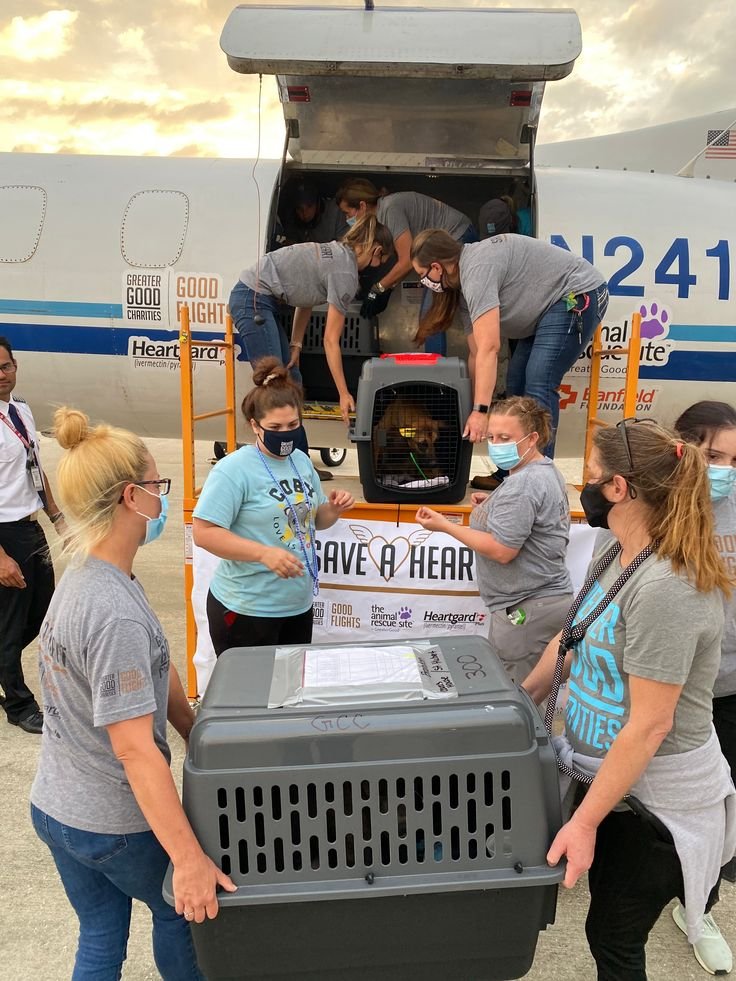
Whether it’s a short trip to the vet or a long-distance move across the country, traveling can be stressful for pets. Unlike humans, pets can’t tell us when they’re hungry, thirsty, or uncomfortable—so it’s our job to prepare and provide everything they need for a safe and happy journey.
Here’s a guide to the essential food, hydration, and comfort tips every pet owner should know when traveling.
🐾 1. Hydration Is Key
Just like humans, pets need consistent hydration, especially during long trips. Dehydration can happen quickly and lead to serious health issues.
Tips to Keep Your Pet Hydrated:
-
Carry a portable water bottle and bowl for regular hydration breaks.
-
For cats and small dogs, consider spill-proof travel bowls.
-
Offer water every 2–3 hours during long car rides.
-
Avoid giving ice-cold water, which may upset your pet’s stomach.
💡 Pro Tip: Some pets are reluctant to drink in new environments. Bringing water from home can help because it tastes familiar.
🐾 2. Feeding During Travel
Food routines matter for pets, and travel can disrupt them. Overfeeding or feeding right before a trip can cause nausea, but skipping meals altogether can make your pet uncomfortable.
Best Practices for Feeding on the Road:
-
Feed your pet a light meal 3–4 hours before departure.
-
Avoid feeding during motion (car or plane), as it may cause motion sickness.
-
Pack your pet’s regular food to prevent digestive upset—switching brands during travel is risky.
-
For long journeys, plan feeding breaks at your pet’s usual mealtimes.
💡 Pro Tip: Treats are great for comfort but don’t overdo it. Stick to small, familiar snacks.
🐾 3. Creating a Comfortable Travel Space
A comfortable environment helps keep pets calm and stress-free during travel.
Essentials for Comfort:
-
Proper Carrier/Crate: Spacious enough for your pet to stand, turn, and lie down.
-
Bedding: Use soft blankets or pads that smell like home.
-
Toys: A favorite toy or chew helps with familiarity and reduces anxiety.
-
Ventilation: Ensure carriers are well-ventilated, especially during long trips.
💡 Pro Tip: Introduce your pet to their carrier weeks before the trip to make it a safe, familiar space.
🐾 4. Special Considerations for Long-Distance Travel
If your trip spans several hours (or even days), planning ahead is essential.
-
Schedule rest stops every 3–4 hours for dogs to stretch and relieve themselves.
-
For cats, small animals, or exotics, make sure their carrier is secure and check them frequently.
-
Use climate-controlled vehicles or professional pet couriers for extreme temperatures.
🐾 5. Why Professional Pet Transport Helps
While owners can manage short trips, long-distance or international moves often require professional help. Services like SWIFTPAWS DELIVERY ensure:
-
Regular hydration and feeding stops
-
Trained handlers who know how to care for pets on the road
-
Climate-controlled, GPS-tracked vehicles
-
A stress-free experience for both pets and owners
🐾 Final Thoughts
When it comes to pet travel, hydration, food, and comfort aren’t optional—they’re essential. With proper preparation and care, your pet can enjoy a smooth, safe, and comfortable journey.
👉 Need help with a long-distance pet move? Trust SWIFTPAWS DELIVERY to handle hydration, feeding, and comfort every step of the way. [Book your pet’s safe journey today!]